
Overview
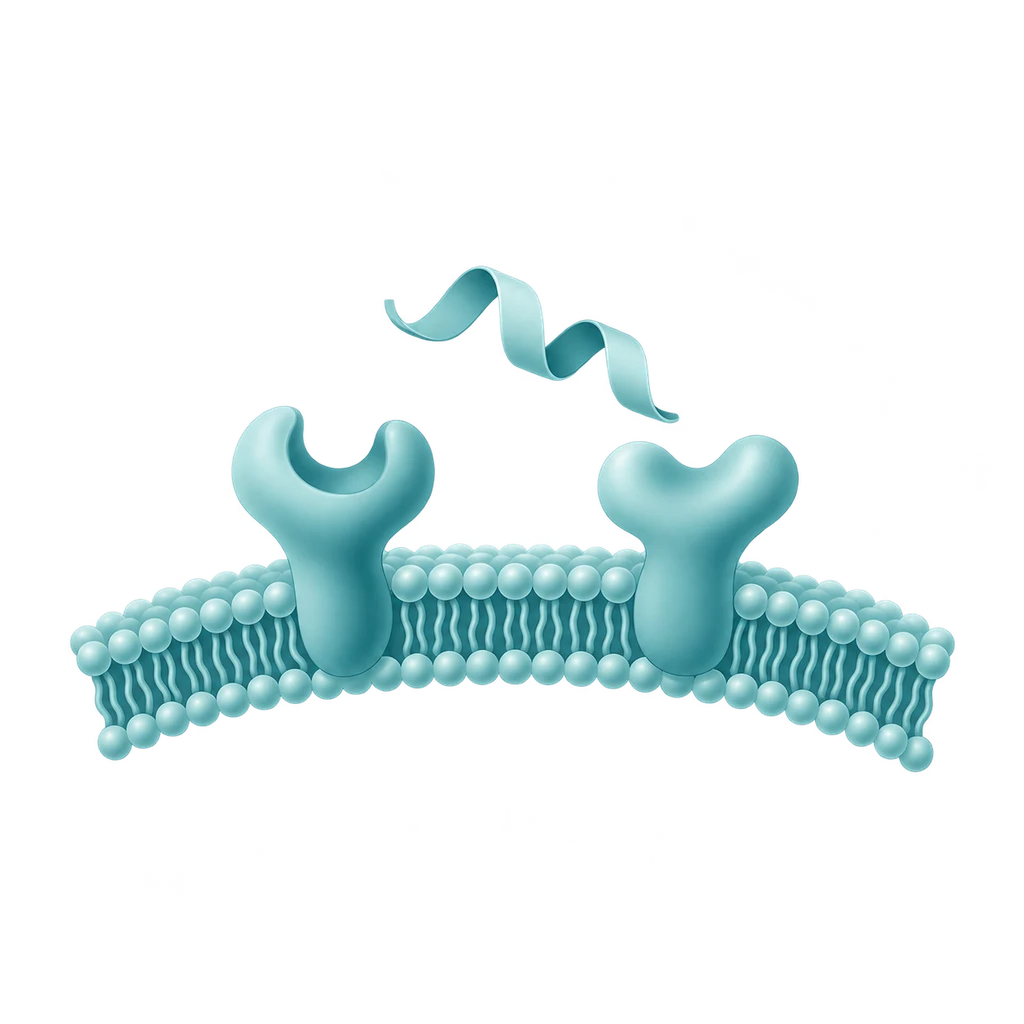
Tirzepatide is a glucose-dependent insulinotropic polypeptide (GIP) and glucagon-like peptide-1 (GLP-1) receptor agonist and the active ingredient in the subcutaneous medicine Zepbound.[1] The weight-management trials discussed here studied adults with obesity or overweight under specified eligibility criteria and treatment conditions.[2][3] Those results need to be interpreted alongside the comparator, follow-up period, adverse effects, and the exact formulation used in each study.[2][3] This guide examines weight outcomes and treatment discontinuation together with safety, contraindications, interactions, and product quality, keeping claims about the approved medicine separate from assumptions about other preparations or multi-ingredient stacks.
Benefits
How much weight loss did tirzepatide produce in SURMOUNT-1?
SURMOUNT-1 randomized 2,539 adults with obesity, or overweight with a weight-related complication, without diabetes.[2] Across the three studied tirzepatide groups, average weight reduction at 72 weeks ranged from 15.0% to 20.9%, compared with 3.1% with placebo.[2] The size and randomized design support a strong conclusion about average weight reduction under the trial conditions.[2] Gastrointestinal adverse effects were the most common and occurred mainly during dose escalation.[2] These figures describe a specific pharmaceutical product, population, and treatment program; they do not establish equivalent effects for products of unknown composition or guarantee an individual response.[2]
Does tirzepatide cause more weight loss than semaglutide?
In the 2025 SURMOUNT-5 head-to-head trial, tirzepatide produced greater average weight reduction than semaglutide in adults with obesity without diabetes.[3] Among 751 randomized participants, mean weight change at 72 weeks was −20.2% with tirzepatide and −13.7% with semaglutide, using the maximum tolerated trial regimens.[3] The trial was open-label and manufacturer funded, which should be considered alongside its direct randomized comparison.[3] Gastrointestinal adverse events were common in both groups.[3] The finding applies to the formulations and regimens compared; it does not prove that one medicine is the best choice for every individual or every clinical outcome.[3]
Safety
The Zepbound label lists common reactions including nausea, vomiting, diarrhea and constipation; serious warnings include pancreatitis, gallbladder disease and dehydration-related kidney injury.[1] The thyroid-tumor warning comes from rodent findings whose relevance to humans is unknown.[1] The Medication Guide directs stopping treatment and seeking immediate help for persistent severe abdominal pain or serious allergic symptoms, including breathing difficulty or face/throat swelling.[1] Patients should disclose treatment before anesthesia or deep sedation because aspiration has been reported.[1]
Contraindications
The Zepbound label’s formal contraindications include personal/family medullary thyroid carcinoma, multiple endocrine neoplasia type 2, and serious tirzepatide/excipient hypersensitivity.[1] Separate pregnancy guidance directs discontinuation when pregnancy is recognized.[1] Breastfeeding requires benefit–risk assessment: infant and milk-production effects are unknown despite low milk transfer in a single-dose study.[1] Severe gastroparesis is a separate not-recommended precaution.[1] Eligibility criteria show whom researchers chose to study; they are not a complete assessment of who can safely receive a product. Any conclusion about suitability therefore needs the exact formulation, the person’s health history, and evidence that actually addresses the relevant circumstances.
Interactions
Insulin and sulfonylureas can increase hypoglycemia risk; delayed gastric emptying may affect oral-drug absorption.[1] Reduced oral contraceptive effectiveness requires additional precautions after initiation and dose escalation.[1] To evaluate an interaction, the evidence needs to address the substances together and describe the outcome being monitored. Separate studies cannot establish the combined effect, and an unanswered interaction question should remain an uncertainty rather than becoming reassurance.
Forms & dosing
Zepbound is injected subcutaneously weekly; pen/vial instructions and dosing depend on presentation, indication and tolerability.[1] The amount administered is only one part of an intervention: formulation, route, frequency, treatment duration, and monitoring also define what was tested. Keeping those details attached to a result prevents a research schedule from being presented as a validated regimen for a different use. The studied product and its indication must remain part of any dosing discussion.
Results & stopping
Zepbound is labeled for long-term weight maintenance; its prescribing information provides instructions for missed weekly doses.[1] Many participants regained weight after tirzepatide withdrawal in SURMOUNT-4.[4] After a 36-week initial treatment period, 670 participants were randomized either to continue tirzepatide or switch to placebo.[4] During the next 52 weeks, the placebo group gained an average 14.0% relative to its weight at randomization, while those continuing tirzepatide lost a further 5.5%.[4] This is direct randomized evidence that continued treatment helped maintain weight reduction in participants who reached randomization.[4] It does not mean everybody regains the same amount, and its selected population excludes people who discontinued during the initial treatment phase.[4]
Product quality
FDA reports fraudulent compounded tirzepatide labeling and concerns about shipping temperatures, dosing and dose escalation for unapproved GLP-1 products.[5] Compounded drugs can meet particular medical needs, but contamination or incorrect active-ingredient amounts can cause serious harm.[6] A useful quality assessment needs to connect the tested sample to the actual product and explain what the test can establish. Evidence about identity or composition should remain distinct from evidence that the finished product is effective, suitable for a particular route, or clinically safe.
Status
Zepbound is approved for weight management in eligible adults and moderate-to-severe obstructive sleep apnea in adults with obesity.[1] Compounded tirzepatide is not FDA-approved and has not undergone FDA premarket review for safety, effectiveness and quality.[6] Regulatory status needs to be read for the exact substance, finished product, indication, and jurisdiction being discussed. A research publication, a supplier listing, and a regulatory decision answer different questions, so none should be used as a substitute for the others.
Evidence
These assessments describe confidence in a specific outcome for the population and formulation actually studied. Select an outcome or source count to inspect the supporting sources, methods, and limitations before applying a finding to a broader claim. Research on an individual ingredient is kept separate from evidence about a complete stack, and laboratory findings are distinguished from clinical outcomes. An unassessed question remains unresolved; it should not be read as evidence of either effectiveness or ineffectiveness. How we grade evidence.
| Outcome, finding and study design | Evidence certainty | Sources |
|---|---|---|
| Human researchLarge double-blind randomized placebo-controlled trial.[2] SURMOUNT-1 randomized 2,539 adults with obesity, or overweight with a weight-related complication, without diabetes.[2] Across the three studied tirzepatide groups, average weight reduction at 72 weeks ranged from 15.0% to 20.9%, compared with 3.1% with placebo.[2] The size and randomized design support a strong conclusion about average weight reduction under the trial conditions.[2] Main limitation: Effects depend on the studied population and treatment conditions.[2] | ||
| Human researchOpen-label randomized head-to-head trial.[3] In the 2025 SURMOUNT-5 head-to-head trial, tirzepatide produced greater average weight reduction than semaglutide in adults with obesity without diabetes.[3] Among 751 randomized participants, mean weight change at 72 weeks was −20.2% with tirzepatide and −13.7% with semaglutide, using the maximum tolerated trial regimens.[3] The trial was open-label and manufacturer funded, which should be considered alongside its direct randomized comparison.[3] Main limitation: Open-label, manufacturer-funded, specific regimens and population.[3] | ||
| Human researchRandomized withdrawal trial after open-label lead-in.[4] Many participants regained weight after tirzepatide withdrawal in SURMOUNT-4.[4] After a 36-week initial treatment period, 670 participants were randomized either to continue tirzepatide or switch to placebo.[4] During the next 52 weeks, the placebo group gained an average 14.0% relative to its weight at randomization, while those continuing tirzepatide lost a further 5.5%.[4] Main limitation: Enriched for participants able to reach randomization.[4] |
Research Feed
Studies
Open a study to read its findings and limits, then explore the source passages and PDF details. Numbered citations link to References below.
A Pharmacometric Method for Quantitative Determination of Improvement in Body Composition and Characterization of the Exposure–Response Relationship during Treatment of Obesity with Tirzepatide
A Phase 1 Multiple Dose Study of Tirzepatide in Chinese Patients with Type 2 Diabetes
A phase 1 multiple-ascending dose study of tirzepatide in Japanese participants with type 2 diabetes
Apitegromab for lean mass preservation during tirzepatide-induced weight loss: a randomized, double-blind, placebo-controlled phase 2 trial
Association between weight reduction achieved with tirzepatide and quality of life in adults with obesity: Results from the SURMOUNT-1 study
Association of baseline characteristics with clinical outcomes of tirzepatide treatment in Japanese patients with obesity disease: A subgroup analysis of the SURMOUNT-J trial
Association of tirzepatide with changes in OSA‑related measures based on baseline characteristics – post hoc analyses of SURMOUNT‑OSA
Body composition changes during weight reduction with tirzepatide in the SURMOUNT-1 study of adults with obesity or overweight
Change in pharmacodynamic variables following once-weekly tirzepatide treatment versus dulaglutide in Japanese patients with type 2 diabetes (SURPASS J-mono substudy
Counterregulatory response to hypoglycemia during a hypoglycemic clamp in people with type 2 diabetes treated with tirzepatide
Early Fasting Serum Glucose or Weight Reduction With Tirzepatide and Metabolic Outcomes in People With Type 2 Diabetes: A Post Hoc Analysis of the SURPASS Trials
Effect of Tirzepatide on Health-Related Quality of Life in Japanese Patients With Obesity Disease: Patient-Reported Outcomes From the SURMOUNT-J Study
Effect of tirzepatide treatment on patient-reported outcomes among SURMOUNT-OSA participants with obstructive sleep apnea and obesity
Effects of Novel Dual GIP and GLP-1 Receptor Agonist Tirzepatide on Biomarkers of Nonalcoholic Steatohepatitis in Patients With Type 2 Diabetes
Effects of Tirzepatide on the Clinical Trajectory of Patients With Heart Failure, Preserved Ejection Fraction, and Obesity
Efficacy and Safety of Tirzepatide in Japanese Participants With Obesity: A Subpopulation Analysis of the SURMOUNT-1 Trial
Efficacy and safety in tirzepatide-treated Korean adults with type 2 diabetes—A post hoc analysis of SURPASS-AP-combo and SURPASS-3
Efficacy and tolerability of tirzepatide, a dual glucosedependent insulinotropic peptide and glucagon-like peptide-1 receptor agonist in patients with type 2 diabetes: A 12-week, randomized, double-blind, placebo-controlled study to evaluate different dose-escalation regimens
Gastrointestinal tolerability and weight reduction associated with tirzepatide in adults with obesity or overweight with and without type 2 diabetes in the SURMOUNT-1 to -4 trials
Ixekizumab With Tirzepatide Achieved Greater Disease Control Than Ixekizumab Alone in Adults With Psoriatic Arthritis and Overweight or Obesity: Results From a Randomized Clinical Trial
Long-term efficacy and safety of tirzepatide in participants with type 2 diabetes with inadequate glycaemic control on metformin and/or sulfonylurea: Post-hoc analysis of SURPASS-4
People With Lowest Physical Functioning Scores Showed Greatest Improvement After Tirzepatide Treatment
Relationship Between Metabolic and Histological Responses in People With Metabolic Dysfunction–Associated Steatohepatitis With and Without Type 2 Diabetes: Participant-Level Exploratory Analysis of the SYNERGY-NASH Trial With Tirzepatide
Safety and efficacy of switching from dulaglutide to tirzepatide across clinically relevant baseline characteristics in participants with T2D: subgroup analysis of SURPASS- SWITCH
Shifts in waist-to-height ratio categories within tirzepatide groups: a post-hoc analysis of SURMOUNT-1
The dual glucose-dependent insulinotropic peptide and glucagon-like peptide-1 receptor agonist, tirzepatide, improves lipoprotein biomarkers associated with insulin resistance and cardiovascular risk in patients with type 2 diabetes
Time to weight plateau with tirzepatide treatment in the SURMOUNT-1 and SURMOUNT-4 clinical trials
Tirzepatide Associated With Reduced Albuminuria in Participants With Type 2 Diabetes: Pooled Post Hoc Analysis From the Randomized Active- and Placebo-Controlled SURPASS-1–5 Clinical Trials
Tirzepatide Efficacy and Tolerability According to Early Weight Response: A Post Hoc Analysis of the SURMOUNT-1 and SURMOUNT-2 Trials
Tirzepatide Treatment and Associated Changes in β-Cell Function and Insulin Sensitivity in People With Obesity or Overweight With Prediabetes or Normoglycemia: A Post Hoc Analysis From the SURMOUNT-1 Trial
Tirzepatide after intensive lifestyle intervention in adults with overweight or obesity: the SURMOUNT-3 phase 3 trial
Tirzepatide and health-related quality of life in adults with obesity or overweight: Results from the SURMOUNT-3 phase 3 randomized trial
Tirzepatide for sleep-disordered breathing in SURMOUNT-OSA: Time course and association with body weight
Tirzepatide for the Treatment of Obstructive Sleep Apnea and Obesity
Tirzepatide in Adults With Type 1 Diabetes: A Phase 2 Randomized Placebo-Controlled Clinical Trial
Tirzepatide on ingestive behavior in adults with overweight or obesity: a randomized 6-week phase 1 trial
Tirzepatide on obstructive sleep apnea-related cardiometabolic risk: secondary outcomes of the SURMOUNT-OSA randomized trial
Weight reduction over time in tirzepatide-treated participants by early weight loss response: Post hoc analysis in SURMOUNT-1
Effects of tirzepatide on circulatory overload and end-organ damage in heart failure with preserved ejection fraction and obesity: a secondary analysis of the SUMMIT trial
Tirzepatide leads to weight reduction in people with obesity due to MC4R deficiency
Tirzepatide 10 and 15 mg versus semaglutide 2.4 mg in people with obesity or overweight with type 2 diabetes: An indirect treatment comparison
Tirzepatide and the 10-year predicted risk of cardiovascular disease and type 2 diabetes in adults with obesity and prediabetes: A post hoc analysis from the three-year SURMOUNT-1 trial
Tirzepatide and blood pressure reduction: stratified analyses of the SURMOUNT-1 randomised controlled trial
Predictors of Initial and Sustained Glycemic and Weight Response to Tirzepatide: A Post Hoc Analysis of SURPASS-4
Tirzepatide Reduces Appetite, Energy Intake, and Fat Mass in People With Type 2 Diabetes
Early-Onset Type 2 Diabetes and Tirzepatide Treatment: A Post Hoc Analysis From the SURPASS Clinical Trial Program
Estimating the True MACE Benefits From Tirzepatide in SURPASS-CVOT Using an Imputed Placebo Analysis of REWIND
FAQs
How much weight loss did tirzepatide produce in SURMOUNT-1?
SURMOUNT-1 randomized 2,539 adults with obesity, or overweight with a weight-related complication, without diabetes.[2] Across the three studied tirzepatide groups, average weight reduction at 72 weeks ranged from 15.0% to 20.9%, compared with 3.1% with placebo.[2] The size and randomized design support a strong conclusion about average weight reduction under the trial conditions.[2] Gastrointestinal adverse effects were the most common and occurred mainly during dose escalation.[2] These figures describe a specific pharmaceutical product, population, and treatment program; they do not establish equivalent effects for products of unknown composition or guarantee an individual response.[2]
Does tirzepatide cause more weight loss than semaglutide?
In the 2025 SURMOUNT-5 head-to-head trial, tirzepatide produced greater average weight reduction than semaglutide in adults with obesity without diabetes.[3] Among 751 randomized participants, mean weight change at 72 weeks was −20.2% with tirzepatide and −13.7% with semaglutide, using the maximum tolerated trial regimens.[3] The trial was open-label and manufacturer funded, which should be considered alongside its direct randomized comparison.[3] Gastrointestinal adverse events were common in both groups.[3] The finding applies to the formulations and regimens compared; it does not prove that one medicine is the best choice for every individual or every clinical outcome.[3]
Do people regain weight when they stop tirzepatide?
Many participants regained weight after tirzepatide withdrawal in SURMOUNT-4.[4] After a 36-week initial treatment period, 670 participants were randomized either to continue tirzepatide or switch to placebo.[4] During the next 52 weeks, the placebo group gained an average 14.0% relative to its weight at randomization, while those continuing tirzepatide lost a further 5.5%.[4] This is direct randomized evidence that continued treatment helped maintain weight reduction in participants who reached randomization.[4] It does not mean everybody regains the same amount, and its selected population excludes people who discontinued during the initial treatment phase.[4]
Update History
Evidence and review status
- Recorded source check
- Subsequent substantive evidence update
- No later update is recorded for Tirzepatide.
- Independent clinical review
- Pending; this selected-source guide is AI-assisted.
A source-check date is not an exhaustive literature-search cutoff or an independent approval. Adding a paper to the catalogue does not mean its findings have been incorporated into an outcome assessment.
Read the editorial methodReferences
8 sources
- ZEPBOUND U.S. Prescribing Information, revised August 2026 (2026)Regulatory labelingSave study
- Tirzepatide Once Weekly for the Treatment of Obesity (2022)Primary researchReview status · PendingSave study
- Tirzepatide as Compared with Semaglutide for the Treatment of Obesity (2025)Primary researchReview status · PendingSave study
- Continued Treatment With Tirzepatide for Maintenance of Weight Reduction in Adults With Obesity: The SURMOUNT-4 Randomized Clinical Trial (2024)Primary researchReview status · PendingSave study
- FDA: Concerns with Unapproved GLP-1 Drugs Used for Weight Loss (Accessed 2026-10-03)Regulatory assessmentSave study
- FDA: Understanding the Risks of Compounded Drugs (Accessed 2026-10-03)Regulatory assessmentSave study
- Has anyone switched from Tirzepatide to Semaglutide? Less effective? More effective?
- Trying to decide between tirzepatide vs semaglutide anyone have real experience with both
Selected public discussions help us choose questions. They are not clinical evidence. Explore discussions